HAWAIʻI & COMMUNITY
Hawaiʻi is both our home and a place of learning. Through community engagement, environmental initiatives, and exchanges of knowledge, Hawaiʻi Philanthropy Forum brings people together to explore challenges affecting our islands.
Our work connects local experiences with lessons from other places, while recognizing the importance of community knowledge, cultural perspectives, and Hawaiʻi's unique environmental conditions. We believe meaningful change begins with listening, learning together, and turning knowledge into action.

BRINGING PEOPLE TOGETHER IN HAWAIʻI
In Hawaiʻi, HPF brings people together to exchange ideas, learn from different perspectives, and explore opportunities for collaboration
Building Connections Among Hawaiʻi's Grantmakers — November 2017
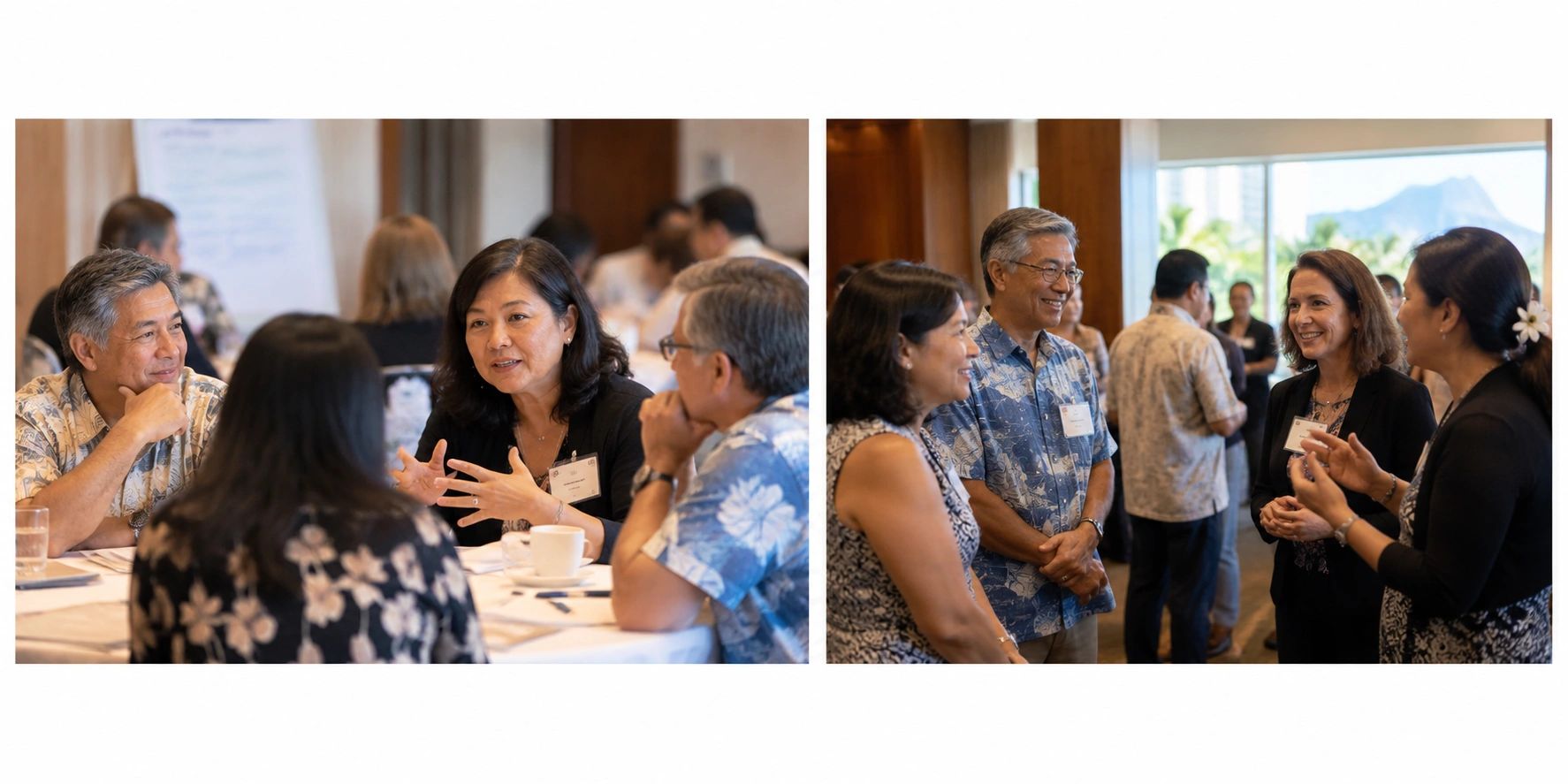
On November 29, 2017, members of Hawaiʻi's philanthropic community gathered at the Pacific Club in Honolulu for a Grantmakers Network Meeting facilitated by Richard Hogeboom.
The gathering involved the Atherton Family Foundation and the David and Lucile Packard Foundation and explored opportunities to strengthen relationships, share knowledge, and encourage greater collaboration among philanthropic organizations.
These early conversations helped shape the Hui of Grantmakers (HUI), which later became the Hawaiʻi Philanthropy Forum (HPF).
Innovative Funding for Early Childhood Education — June 2018
On June 29, 2018, the Hui of Grantmakers (HUI) organized Innovative Funding for Early Childhood Education, with involvement from the David and Lucile Packard Foundation.
The event explored innovative approaches to investing in young children and families, recognizing that access to quality early childhood education is essential to individual opportunity and community well-being.
In Hawaiʻi, high childcare costs, limited availability, and shortages of early childhood educators present significant challenges for families.
Both gatherings reflected a shared commitment to bringing people together, exchanging knowledge, and exploring collaborative approaches to addressing important community needs.
CARING FOR HAWAIʻI’S COASTAL ENVIRONMENT
Beach Cleanups and Microplastics
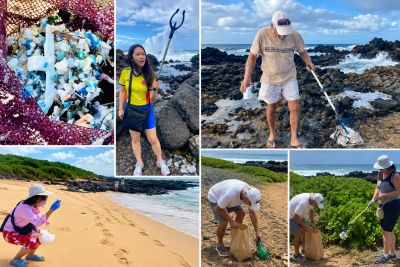
HPF is exploring opportunities to bring people together through beach cleanups and microplastic removal activities.
Some cleanup activities have already taken place, including participation by neurodivergent community members. Additional initiatives are being developed to expand opportunities for meaningful community participation.
These experiences reflect a simple belief:
Everyone has something to contribute.